
It’s easy to talk about political parties as if they’re fixed institutions, disconnected from everyday life. We say “the party believes” or “the party decided,” as though these organizations operate on their own. I see it especially when people talk about the Democratic National Committee (DNC).
But that framing misses something important: political parties are made up of people. And what they stand for is shaped, often decisively, by the people who consistently show up.
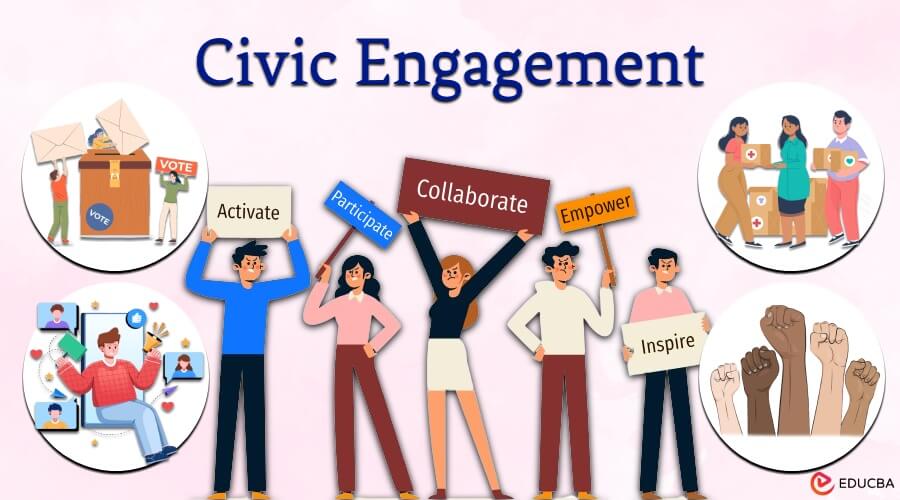
In local organizing efforts, whether it’s working to elect city leadership, advocating to protect a neighborhood park, planning rallies or coordinating mutual aid, the same pattern emerges. The people in the room shape the outcome. Agendas are set by those who attend meetings. Priorities are debated by those willing to stay engaged. Decisions reflect the perspectives of people who consistently participate over time.
The same dynamic plays out inside political parties.
Party platforms, endorsements and policy priorities don’t simply appear from the top down. Sometimes it feels like it does, but the DNC is composed of representatives from state parties, and state parties, in turn, are composed of representatives from county parties. Political parties are built from the bottom up: through precinct meetings, county committees and state conventions. These aren’t symbolic processes. They are where decisions begin to take shape, long before most people are paying attention.
And in a place like Idaho, especially on this side of the aisle, that local influence has the potential to carry real weight.
Precinct committee officers and county party members help determine which issues gain traction, which candidates receive support and what values are ultimately elevated. When participation is limited, those decisions reflect a smaller slice of the community. When more people engage, the direction can shift.
When more people show up, bringing different experiences, concerns and priorities, the conversation changes. Policies that didn’t seem possible begin to move forward. Not because someone at the top decided it was time, but because the people doing the work at the local level made it impossible to ignore.
There’s a tendency to focus on national politics, where the stakes feel high. However, individual influence can feel small. How much influence do you have, practically speaking, on what’s happening on the national stage? Local engagement flips that dynamic. The closer you are to the process, the more influence you have to shape outcomes.
Change can be slow, incremental and sometimes frustrating. But it starts much closer to home than most of us think. The far-right movement currently running our country showed us that. The people in power now are there as a result of consistent engagement at all levels of government over the last few decades.
Political parties don’t change on their own. They change because people participate. Because they show up, stay engaged and do the often-unseen work of shaping what those parties become.
And in communities like ours, that work doesn’t just influence politics. It shapes the policies that govern our schools, our public spaces and our daily lives.
Miranda Marquit, Master of Business Administration, is a nationally recognized financial expert, speaker, writer and podcaster. She is the vice chair of the Bonneville County Democratic Central Committee.